



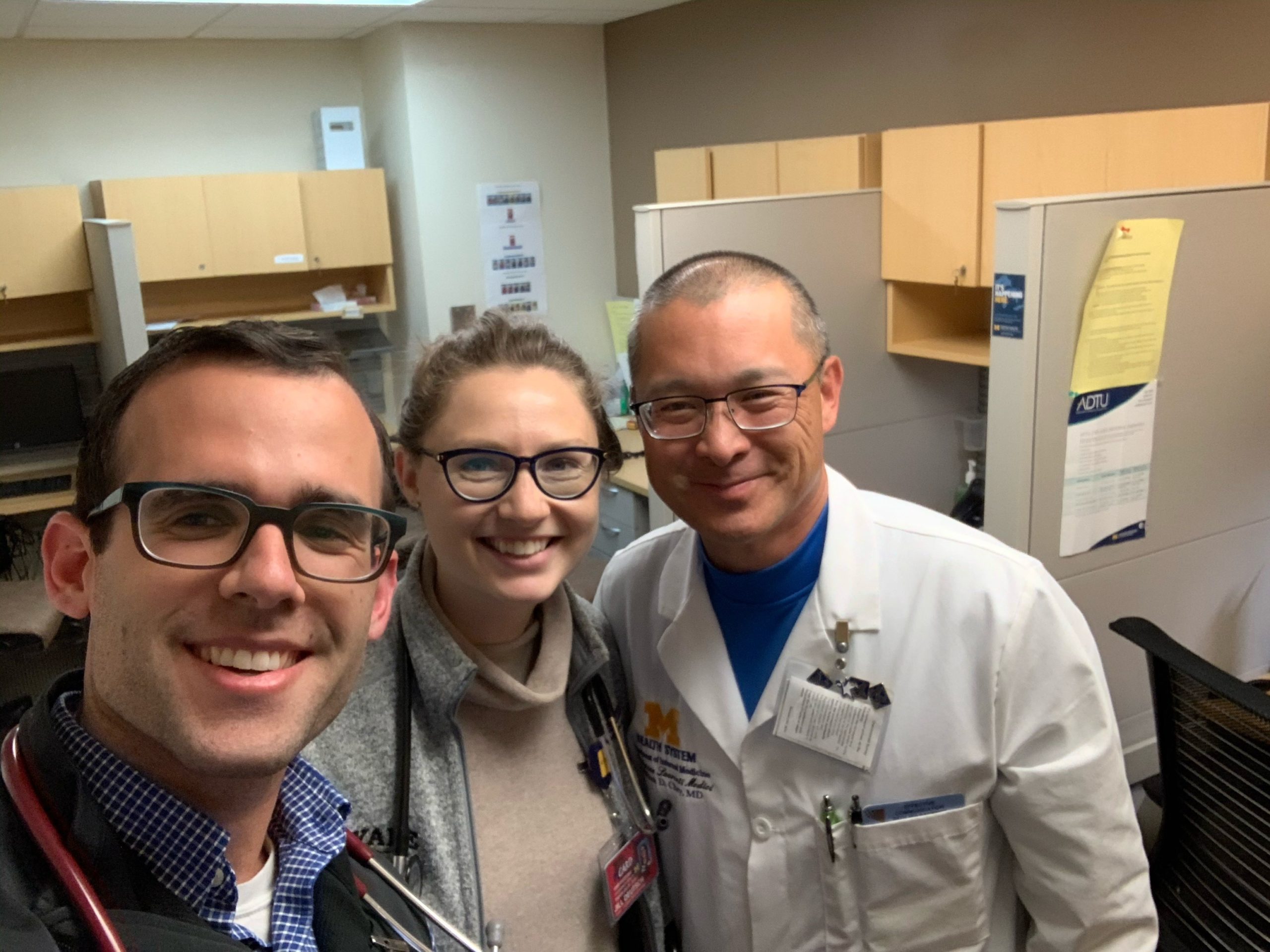
William D. Chey, MD - Michigan Medicine Jordan Shapiro, MD - Baylor Houston Jill Deutsch, MD - Yale University For patients with irritable bowel syndrome (IBS), symptom management is often a marathon, not a sprint. Although IBS is one of the most common indications...
Gut Feelings – Blog
Disorders of gut-brain interaction in pediatrics: A few observations
Samuel Nurko MD MPH Director Center for Motility and Functional Gastrointestinal Disorders Boston Children’s Hospital Professor of Pediatrics. Harvard Medical School Disorders of gut-brain interaction (DGBI) are common in the pediatric population. DGBIs are also known...
Gastrointestinal Symptoms Can Be Manifestations of COVID-19
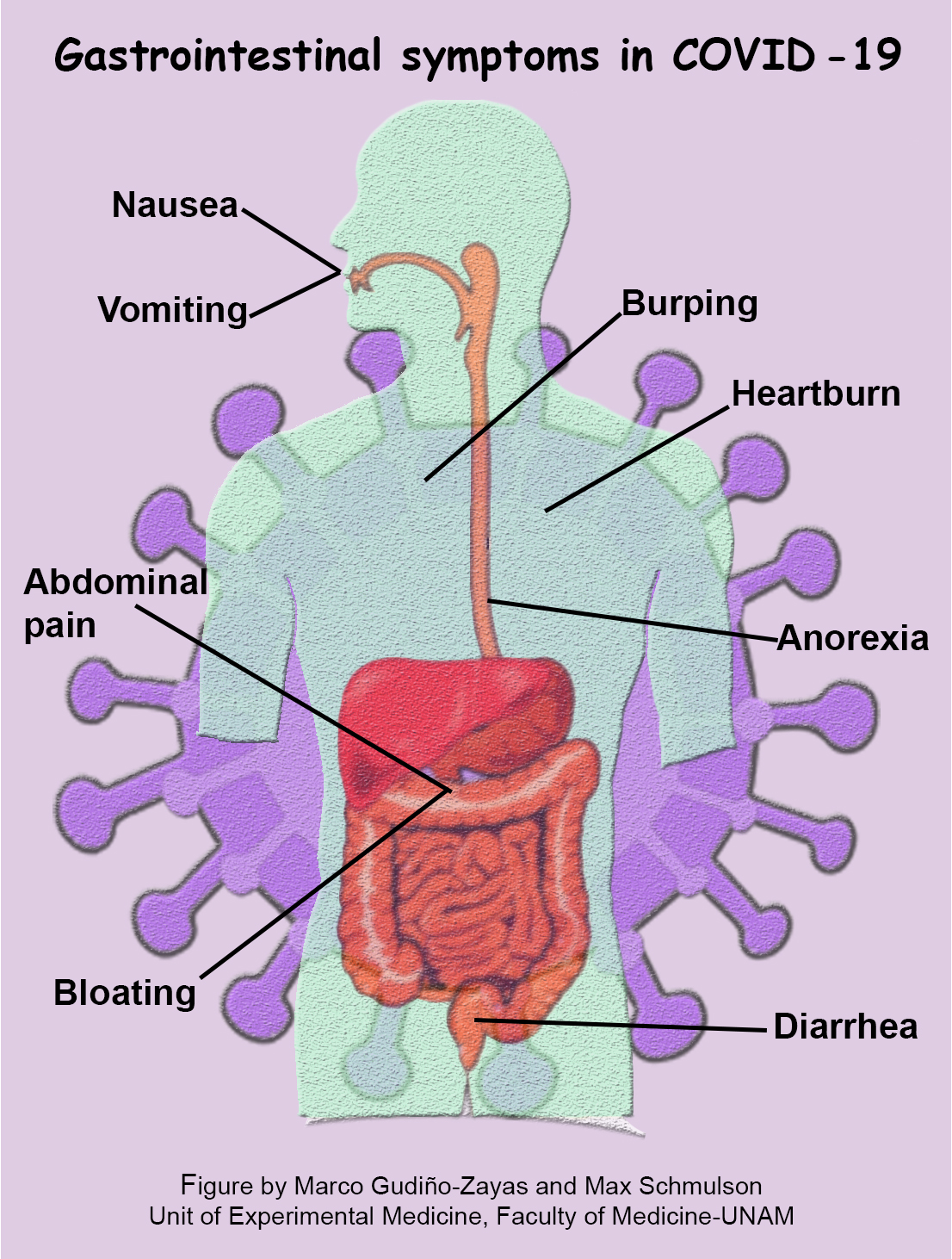
By Max J. Schmulson, MD Although fever, cough, fatigue and shortness of breath are the most common symptoms of the novel COVID-19 pandemic, up to 40% of patients can manifest gastrointestinal (GI) symptoms during this viral illness. In order of frequency, the GI...
Stress, Chronic Stress and IBS
Lin Chang, MD, Professor of Medicine, Oppenheimer Center for Neurobiology of Stress April is IBS Awareness Month. IBS, or irritable bowel syndrome, is one of the most common gastrointestinal (GI) conditions diagnosed in primary care and gastroenterology practices....
Gaining Resilience through Transitions [GRitT]: Optimism, Gratitude and Self-compassion in a time of uncertainty
Laurie Keefer, PhD Rome Board of Directors GI Health Psychologist Professor of Medicine and Psychiatry Icahn School of Medicine at Mount Sinai, New York, NY As if we all weren’t trying our best to limit the role that patient care and the...
Post Infection Irritable Bowel Syndrome (PI-IBS)
Max J. Schmulson, MD, Professor of Medicine, Mexico City, D.F., Mexico Clinicians practicing in Mexico can attest to an interesting phenomenon: seeing patients with Post Infection IBS (PI-IBS) is uncommon, despite perhaps an even higher prevalence of IBS than in the...
Diet in Irritable Bowel Syndrome (IBS)
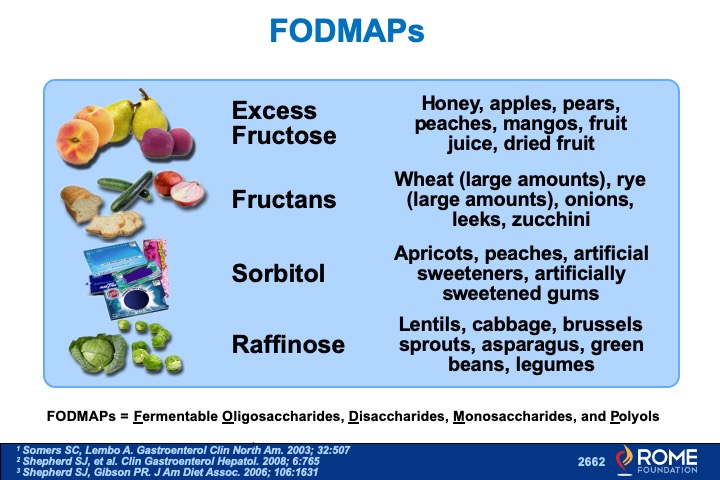
Magnus Simrén, Professor, University of Gothenburg, Sweden Diet triggers symptoms in the vast majority of individuals with IBS. This has led to a growing interest in the role of diet in IBS and the use of dietary advice and specific diets to reduce patient...
Communication Pearls to Help the Patient Provider Relationship and Implement Patient Centered Care
by Douglas A Drossman, MD Changes in our healthcare system have been associated with a deterioration in the patient-provider relationship (PPR). For the clinician, increased administrative tasks and certification requirements, along with pressures to see more...
Why Is Functional Dyspepsia the New Hot Topic?
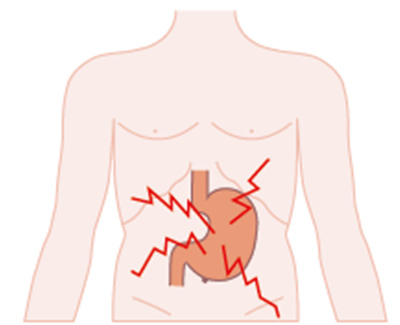
by Jan Tack MD, PhD The mission of the Rome Foundation includes the promotion of the global recognition and legitimization of functional gastrointestinal disorders. Irritable bowel syndrome (IBS) was the first disorder to be addressed by the Foundation almost 3...
Neuromodulators – what are they and how can they help?
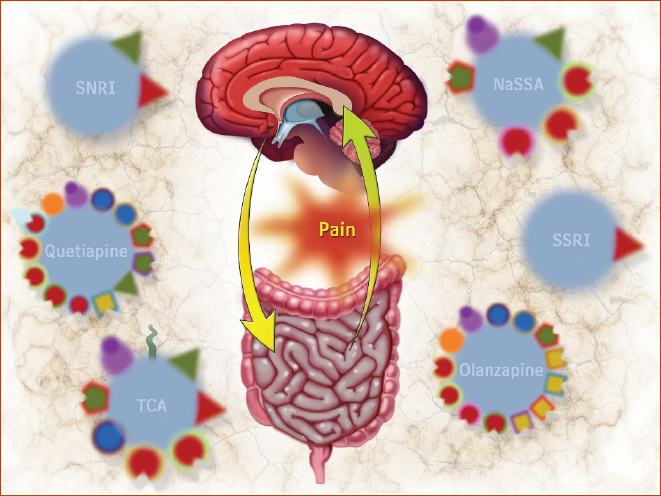
As you may have seen on Facebook Live with Dr. Drossman, the Rome Foundation is working to change the nomenclature of certain medications that can have multiple effects. In the history of medicine, medications have been developed and named based on need. When people...
Advance Practice Providers: Their Role in Primary and Specialty Care
By: Meghan Huff PA-C In my relatively short career as a Physician Assistant (PA), I have been fortunate to work in two very different clinical settings. Even prior to my professional work, I was exposed to various medical settings and specialties through clinical...
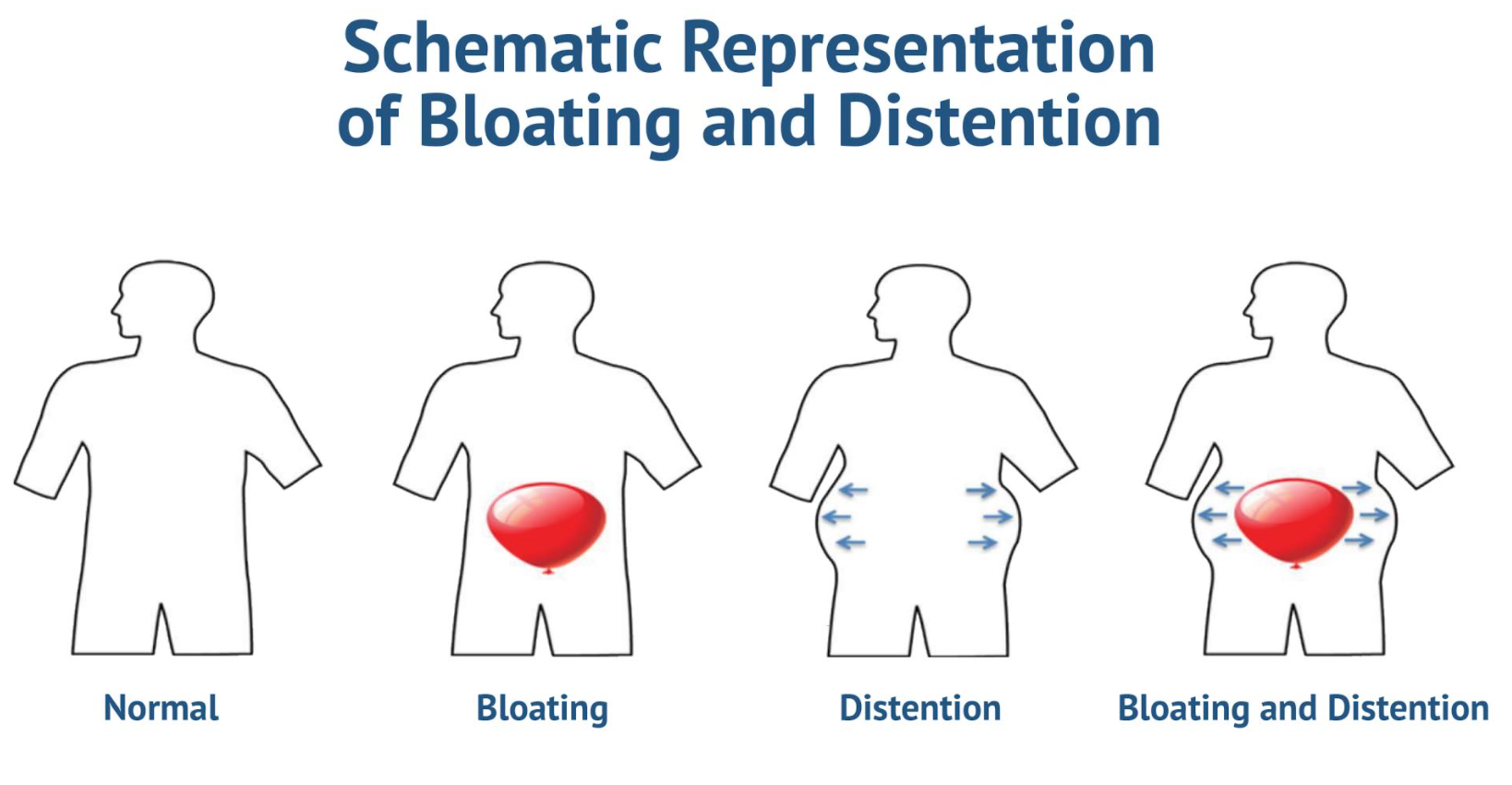
Bloating and Distension: What’s the Difference?
When a person describes the feeling of bloating, they may or may not be aware of an increase in abdominal girth. The former is a symptom and the latter is a visible swelling and feeling of tightness of their skin or clothing along with discomfort. Often, patients...


![Gaining Resilience through Transitions [GRitT]: Optimism, Gratitude and Self-compassion in a time of uncertainty](https://theromefoundation.org/wp-content/uploads/2017/09/Keefer_Laurie-1.jpg)