



Statistician & Investigator Workshop
Analyzing and Publishing Results from the Rome V Adult Survey
Date and time:
October 20, 17:00-20:00, and October 21, 8:00-15:00
Location:
Passeig de la Vall d’Hebron, 119–129, 08035 Barcelona, Spain
Building:
General Hospital Assembly Hall (10th Floor)
Vall d’Hebron University Hospital – General Hospital
Participant investigators, statisticians, and researchers will:
- Know the Rome V adult epidemiology survey and its methodology
- Learn the process for submitting proposals for studies
- Learn the protocols for database access, conduct of data analyses, and publications
- Learn to develop the statistical analysis plan (SAP) of a study or paper proposal.
- This is a two-day workshop for people who would like to know how to submit project requests and learn about what data is available and how to use it
- We encourage attendees to bring project ideas to discuss during the workshop
There is no registration fee to attend.
Coffee, snacks, and lunch will be provided throughout the workshop.
Attendees are responsible for arranging and covering their own travel and accommodations.
Who should attend:
- Individuals who will serve as statistical analysts for country, regional, and global abstracts, presentations, and manuscripts
- Investigators who plan to be lead authors of manuscripts from the study
- Anyone considering active involvement in a proposed study using the Rome V adult epidemiology survey dataset
Objectives:
Participants are expected to:
- Become familiar with the history, proposal system, and proposal approval mechanism for the RFGES, and become familiar with papers from it
- Learn about the Rome V adult epidemiology survey, its methodology, and its potential for generating publications
- Understand the process for submitting proposals for data analyses and publications
- Become familiar with the protocol for “Policy and Procedures for Access to the Database, Conduct of Data Analyses, and Publications”
- Develop the statistical analysis plan (SAP) of a study or paper proposal.
The workshop faculty will:
- Review the success of the RFGES and what can be adopted from that process, what can be improved, and how to prepare and submit Rome V adult epidemiology survey proposals.
- Explain the nuances of the study’s design, the structure of the data, the definitions and meaning of the variables, and how to work effectively with the datasets.
- Explain how to handle methodological and statistical issues such as missing data, collinearity, non-linearity, and multiplicity.
- Outline appropriate statistical approaches for different types of analyses and for addressing research questions.
- Explain how to avoid duplication and journal fatigue
Workshop Faculty:

Ami Sperber, MD, MSPH

Olafur Palsson, PsyD,
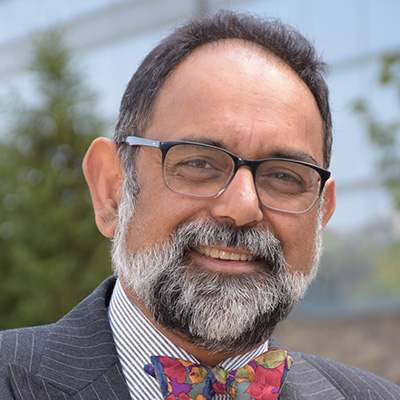
Shrikant Bangdiwala, PhD
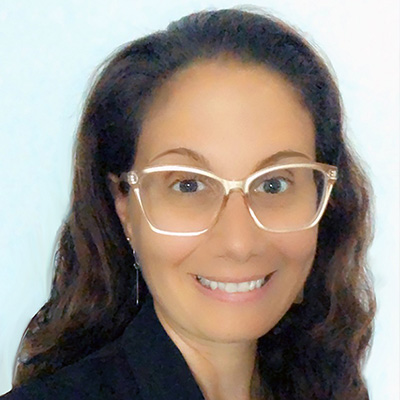
Tiffany Taft, PsyD

Imran Aziz, MD, MBChB
If you have any questions or need assistance, please contact Maggie Breen-Lyles via email at
mb**********@***************on.org
Fill out my online form.
Schedule:
Tuesday, October 20 | ||
|---|---|---|
| Time | Description | Faculty |
| 17:00-17:15 | Welcome and Introduction (15 min) | Sperber |
| 17:15-17:45 | Review and wrap-up of RFGES (30 min) | Sperber |
| 17:45-18:15 | Overview of the Rome V adult epidemiology survey: rationale, history and timeline, methodology, conduct and potential significance (30 min) | Palsson |
| 18:15-18:45 | Principal study findings to date: (30 min) | Sperber |
| 18:45-19:00 | Coffee break (15 min) | |
| 19:00-19:30 | Organization and approval process for statisticians: (30 min)
| Bangdiwala |
| 19:30-20:00 | Types of papers and analyses possible. (10 min) Publications Committee and Website submission, review process and dataset transfer policy analysis (20 min) | Sperber Aziz |
Wednesday, October 21 | ||
|---|---|---|
| Time | Description | Faculty |
| 08:00-09:00 | Contents of the study datasets, variable meaning and scores: “What do we have to work with?” (60 min) | Palsson |
| 09:00-09:30 | Responsible use of the datasets: (30 min)
| Taft |
| 09:30-10:30 | Statistical considerations I: (60 min): Sampling
| Bangdiwala |
| 10:30-10:45 | Break | |
| 10:45-11:45 | Statistical considerations II: (60 min): Data quality
| Bangdiwala |
| 11:45-12:45 | Statistical considerations III: (60 min): Analysis I - basics
| Bangdiwala |
| 12:45-13:15 | Lunch break | |
| 13:15-14:15 | Statistical considerations IV: (60 min): Analysis II - models
| Bangdiwala |
| 14:15-15:00 | General discussion and wrap-up (45 min) | All Faculty |
| 15:00 | Adjourn |