



Rome Foundation
Research Awards
What is a DGBI?
FAQ's
What are disorders of gut-brain interaction (DGBI)?
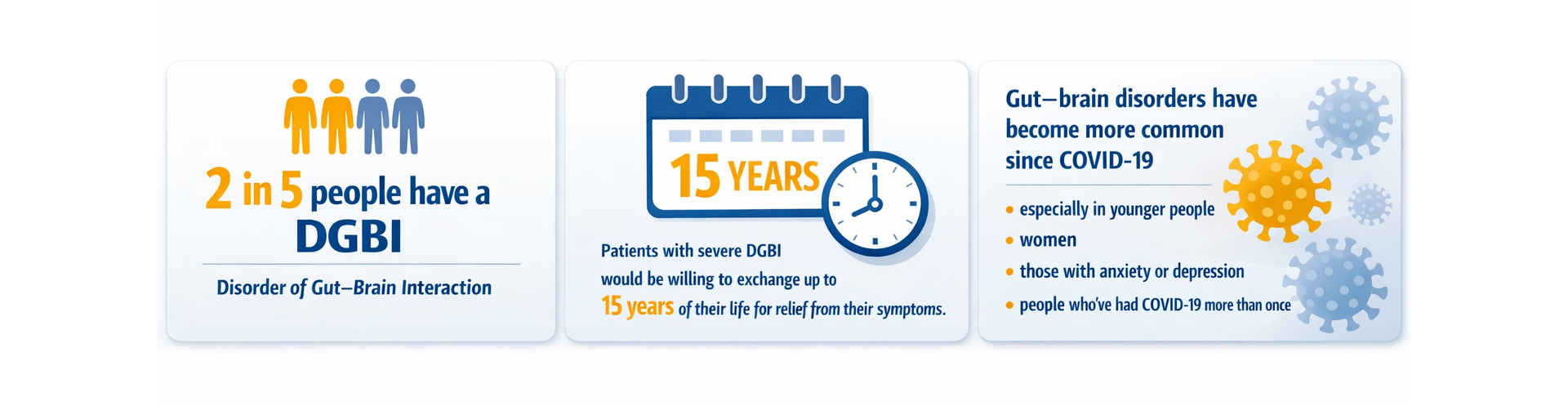
Disorders of gut–brain interaction (DGBI) are conditions that cause chronic or recurrent gastrointestinal symptoms—such as pain, nausea, vomiting, diarrhea, or constipation—without structural disease to explain them. These symptoms arise from disruptions in gut motility, visceral hypersensitivity, altered mucosal and immune function (AKA leaky gut), altered gut microbiota, or differences in how the brain interprets signals from the gut. Well-known DGBI include irritable bowel syndrome (IBS), functional dyspepsia, and chronic constipation.
What are the Rome Criteria?
The Rome Criteria are a set of diagnostic guidelines used to diagnose DGBI based on symptoms, their frequency, and duration. The guidelines are established by experts in neurogastroenterology from around the world. The current edition, Rome IV was published in 2016.
When will Rome V be available?
Rome V will be available in 2026. The updated framework is being developed by over 140 experts from 27 countries.
Can disorders of gut-brain interaction occur in children?
Yes, the Rome IV Criteria includes 20 pediatric disorders of gut-brain interaction, affecting patients from infancy to adolescence. The Rome Foundation’s pediatrics section supports research and provider education in this important area.
How are disorders of gut-brain interaction treated?
Treatments for DGBI include non-pharmacologic options like gut-brain cognitive behavioral therapy or hypnosis therapy, anorectal biofeedback, and lifestyle changes like the low FODMAP diet, and regular exercise. Pharmacologic options include neuromodulators (antidepressants and antipsychotics), antispasmodics, and medications which act locally on the GI tract. Treatment is often multimodal and personalized based on the specific disorder, illness features, and severity.
What training resources are available through the Rome Foundation?
The Rome Foundation provides a range of CME courses focused on Disorders of Gut–Brain Interaction (DGBI), tailored for physicians, physician assistants, and nurse practitioners. Specialized courses are also available for psychologists interested in psychogastroenterology. In addition, the Foundation offers resources and trainings to help clinicians enhance their communication skills and deliver more effective, patient-centered care.
Are there any opportunities for early-career investigators in DGBI?
Early to mid-career professionals interested in engaging in the Rome Foundation can become involved in the Rome Foundation Partners program for rising leaders in DGBI.